Michael Wilson - Engineering Products, Leading Teams, Delivering Launches!
Three decades of automotive product ownership across mechanical, electromechanical,
and software-controlled systems—from design and validation through supplier
execution, manufacturing, and production launch.
30+Years product development
5Prototype case studies
1999Systems transition milestone
Selected work
A focused prototype timeline
These entries demonstrate technical depth, systems integration, cross-functional
leadership, and progression from direct product engineering into broader product
and systems responsibility.
1995
Lear CorporationProduct Engineer — Seating Systems1996 model year
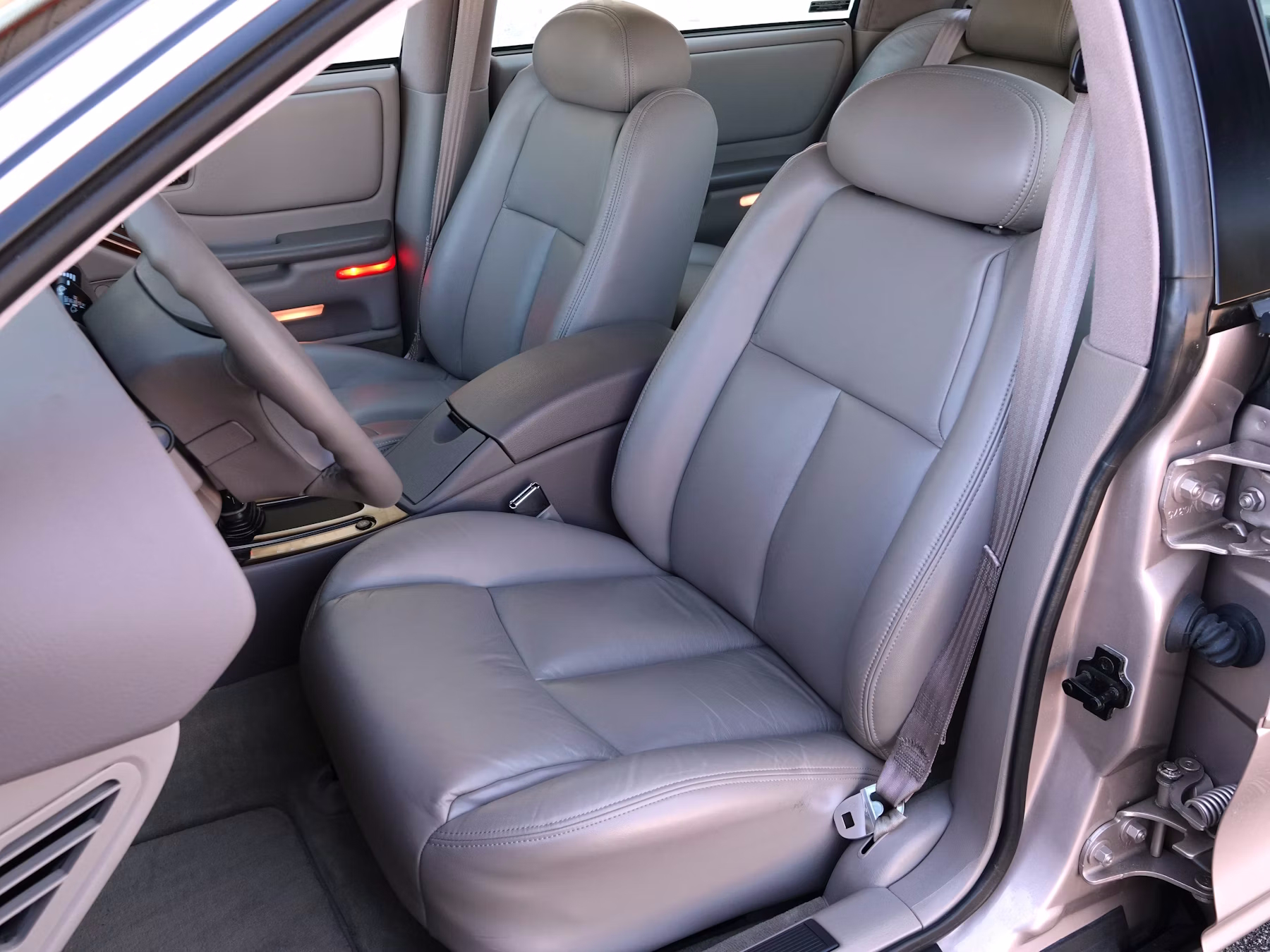
Oldsmobile Aurora Pneumatic Lumbar Integration
Led the integration and release of a new centralized pneumatic lumbar
architecture serving both front seats, coordinating the required seat and
vehicle interfaces. The design replaced separate seatback pumps with a single
under-driver-seat pump and four-valve module, reducing cost and component count
while improving reliability.
Developed during 1995 for the 1996 model year.
Approximately 30,000 vehicles annually.
Eliminated the separate passenger-seat pump and valve assembly.
Eliminated the passenger-seat harness branch that had supplied the former pump.
Completed validation and Production Part Approval Process (PPAP) without late redesign.
Lear CorporationProduct Engineer — Seating Systems2000 model year
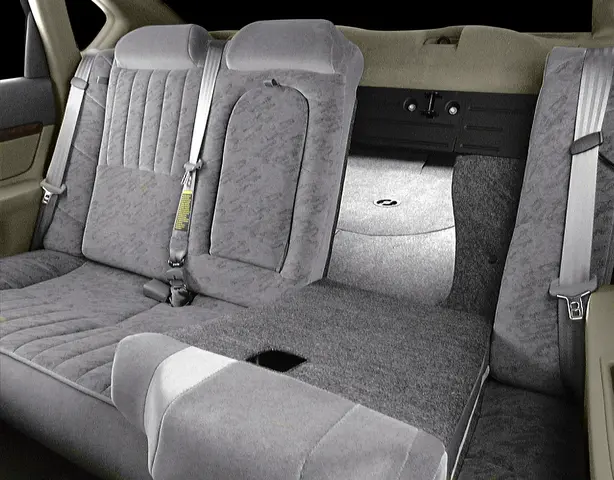
Chevrolet Impala and Monte Carlo Split-Folding Rear-Seat Development
Designed and released new 60/40 split-folding rear-seat systems for two General
Motors (GM) vehicles with significantly different package conditions while
preserving nearly every structural and mechanical component of consequence.
Approximately 250,000 vehicles annually combined.
Preserved Lear's business case for a common structural and mechanical architecture.
Fold-flat targets achieved despite major package differences.
Seat-comfort targets achieved for both vehicle platforms.
Successful launch with no major production issues.
Basic rear-seat frame design carried forward to later W-body vehicles.
Transition to Complete Windshield-Wiper System Development
After supporting the launch of the 2000 model-year Chevrolet Impala and Monte
Carlo rear-seat systems, transitioned from seating engineering into complete
electromechanical windshield-wiper systems, including concept development,
kinematics, packaging, design release, validation, supplier coordination, and
production launch.
Supported final design activities and launch support for the Freightliner P2/F2 wiper system, while providing production support for the recently launched C2 system.
Broadened from seating structures into complete electromechanical product development.
Added vehicle-level kinematics, packaging, and system-performance responsibility.
Established the foundation for later General Motors supplier-integrated Design Release Engineer work.
Began the progression toward engineering management and director-level leadership.
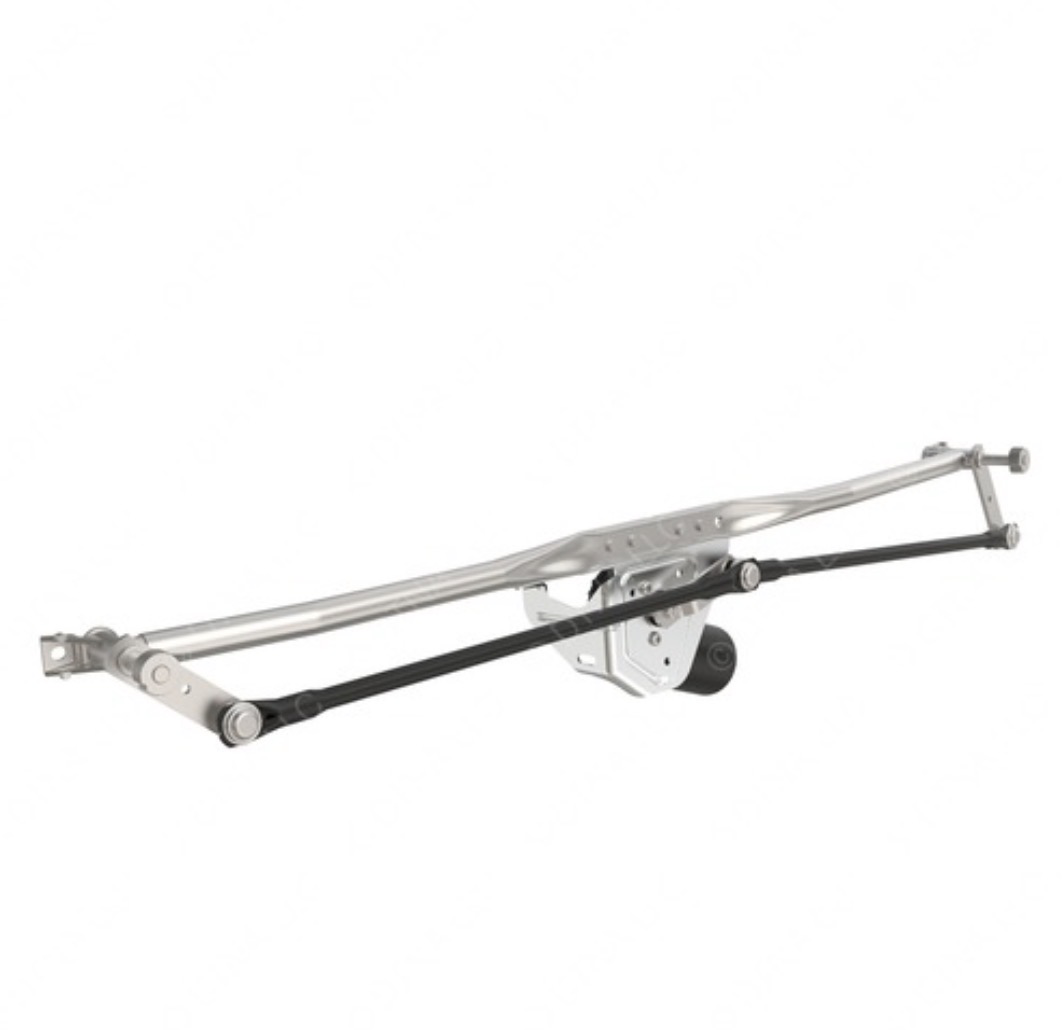
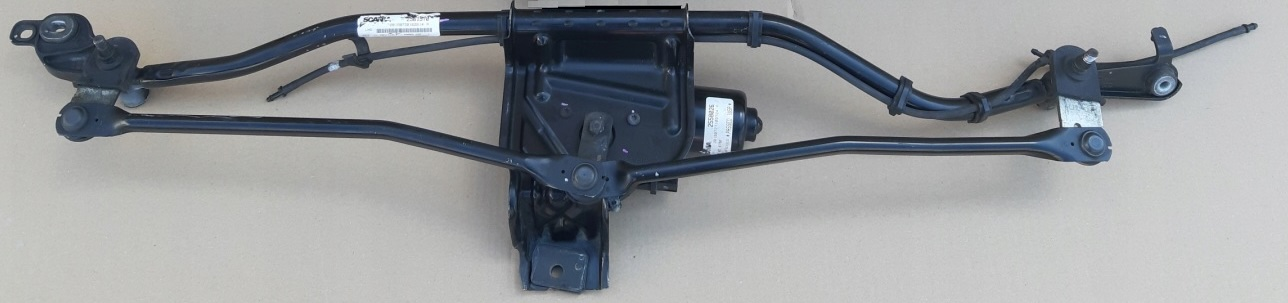
Freightliner M2 Business Class Wiper-System Redesign
Redesigned and released the complete Freightliner M2 Business Class wiper
module after Trico assumed the program from Visteon. Under compressed timing,
developed a Trico production design from the inherited package, including
Trico wiper-motor integration, a new unitizing-tube and center-bracket design,
Trico-compatible outboard pivot castings, Trico-standard bearings and shafts,
new wiper-arm and blade assemblies, and complete kinematic verification.
Completed the full Trico production design by June 2000 after redesigning the complete system in four weeks.
Converted the previous supplier design package into a Trico production-ready wiper system.
Verified vehicle packaging and complete system kinematics.
Completed the system and component redesign and release, along with the initial prototype build and Design Verification testing, before transferring to the General Motors onsite assignment.
Production design carried into manufacturing by the succeeding engineer.
No major design or production issues are known.
Approximately 35,000 vehicles annually on average.
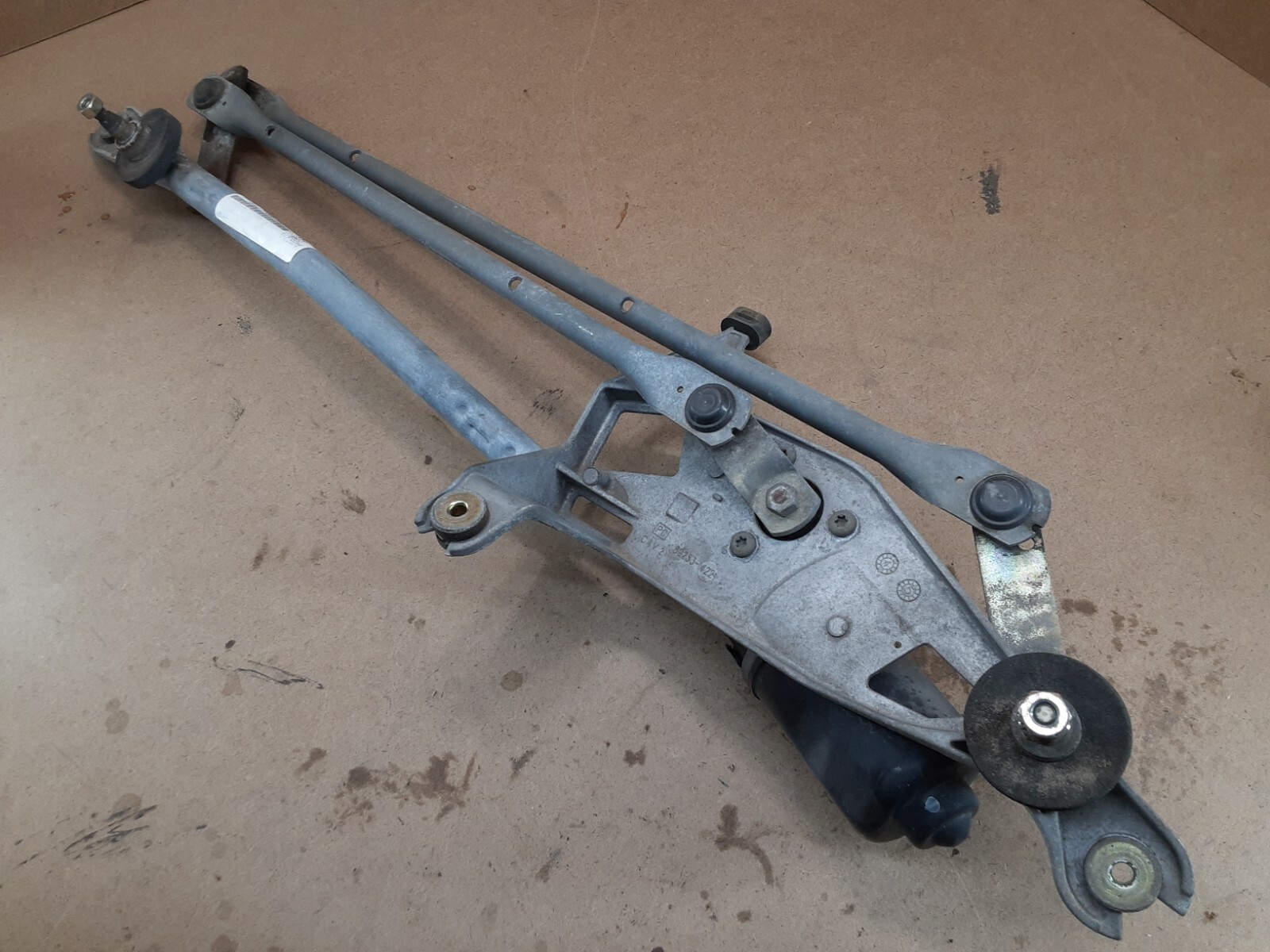
General Motors W-Body Wiper-System Redesign and Launch Recovery
GMX367 Pontiac Grand Prix | GMX365 Buick LaCrosse
Redesigned and released the complete wiper and washer systems for the GMX367
Pontiac Grand Prix and GMX365 Buick LaCrosse after Trico assumed the programs
from Valeo following the Alpha prototype phase. When the first Trico Beta
systems showed severe high-speed dynamic wipe-pattern growth, developed a
third-hard-mount countermeasure and recovered the design in time for Gamma
prototypes and an on-schedule launch.
Complete Trico wiper and washer systems redesigned and released.
High-speed cowl and A-pillar contact eliminated through a third-hard-mount countermeasure.
Corrected hardware delivered in time for the Gamma build.
Promoted to Engineering Supervisor and transitioned back to the Trico Technical
Center while continuing ownership and production-launch support for the GMX367
and GMX365 wiper systems.
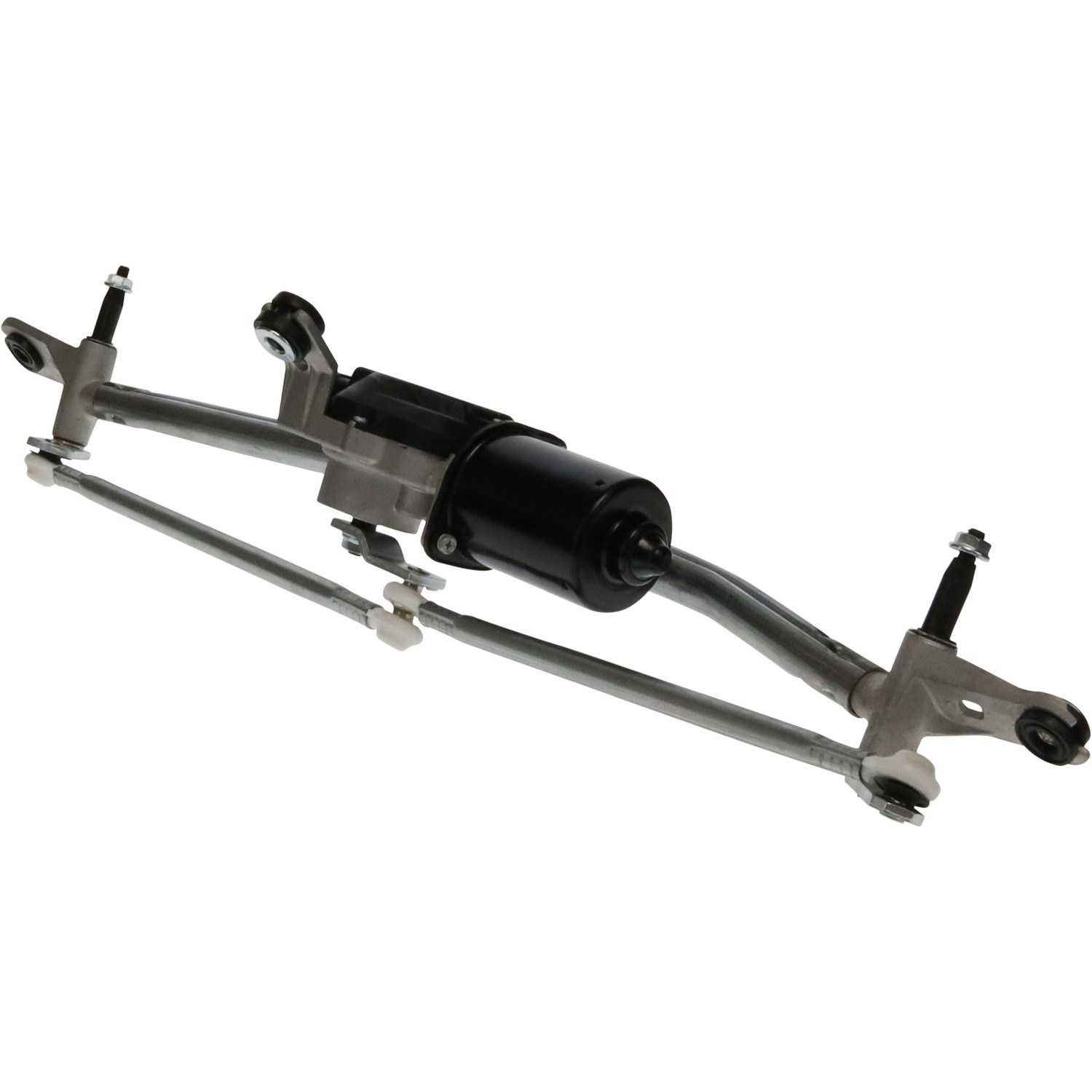
Directed the engineering and release of front and rear wiper and washer
systems for the GMT191 Chevrolet Equinox, GMT192 Pontiac Torrent, and GMT193
Suzuki XL7. Using GMT191 as the lead program, established a common front wiper
architecture across all three vehicles while managing vehicle-specific rear
systems and recovering a supplier-driven durability failure on the shared
Equinox/Torrent rear module in time for on-schedule launches.
Common front wiper module, arms, and blades established across all three vehicles.
Shared Equinox/Torrent rear module recovered from a critical water-ingress issue discovered during Design Verification testing.
Corrective design changes carried into the later XL7 application.
Responsibility retained through three launches and launch support.
Combined planned annual production approached 245,000 vehicles.