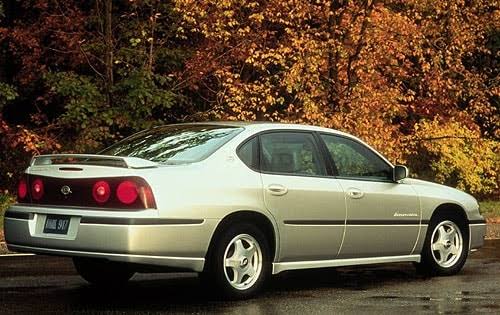
Chevrolet Impala and Monte Carlo rear-seat development.
Owned the design, development, and release of new 60/40 split-folding rear-seat systems for two General Motors vehicles with substantially different package conditions. A central program objective was to preserve a common mechanical architecture while meeting each vehicle's unique geometry, comfort, appearance, validation, and fold-flat requirements.
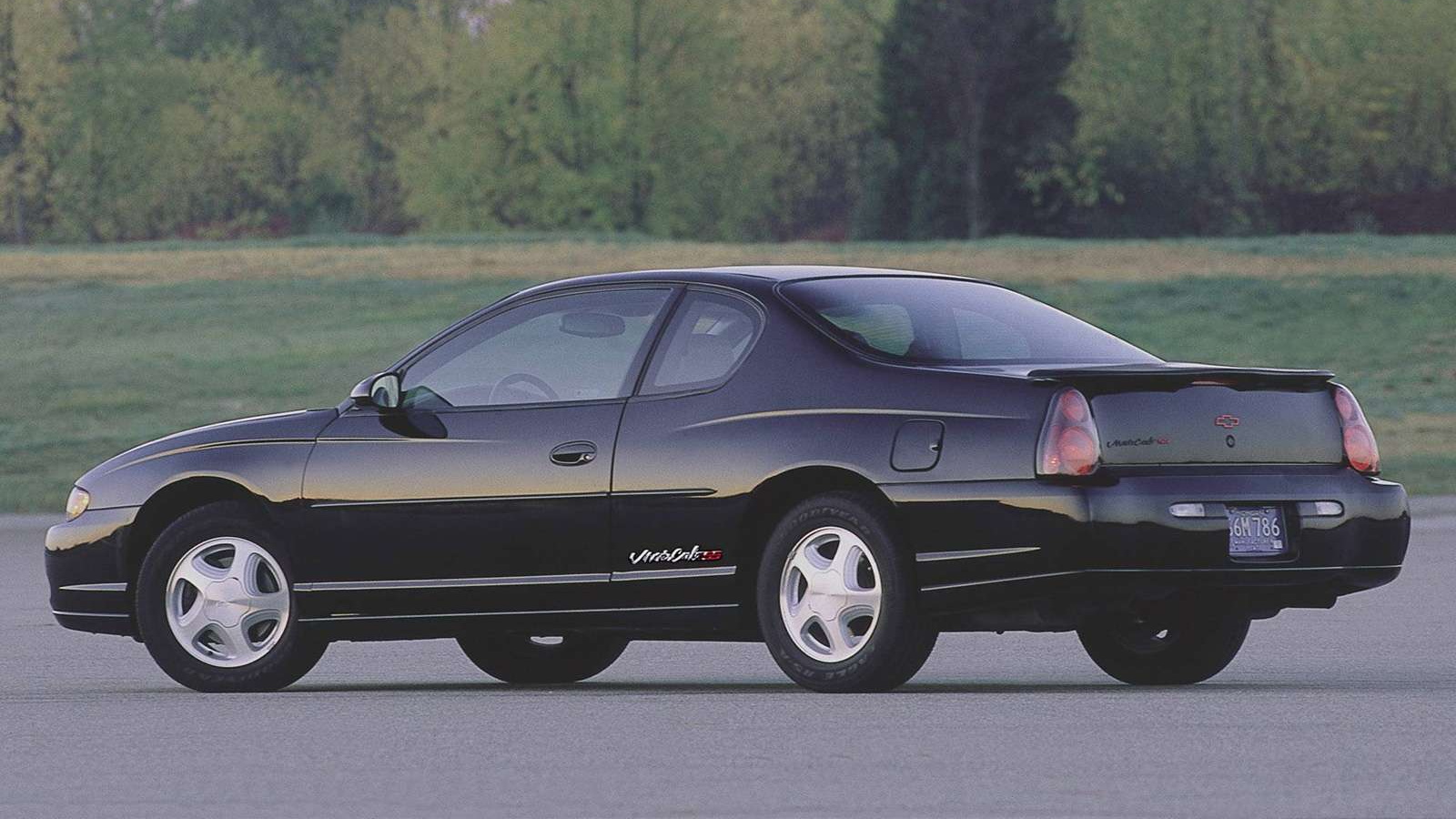
Common architecture under different package conditions
Owned the design, development, and release of new 60/40 split-folding rear-seat systems for two General Motors (GM) vehicles with substantially different package conditions. A central program objective was to preserve a common mechanical architecture while meeting each vehicle's unique geometry, comfort, appearance, validation, and fold-flat requirements.
- Approximately 250,000 vehicles annually combined.
- Preserved Lear's business case for a common structural and mechanical architecture.
- Fold-flat objectives achieved.
- Seat-comfort targets achieved for both vehicle platforms.
- Successful launch with no major issues.
- Basic frame design remained in production on later W-body vehicles.
The rear-seat system
- 60/40 split-folding rear seat.
- Fixed cushion.
- Independently folding seatbacks.
- Center armrest integrated into the 60-percent seatback.
- Foam-and-trim head-restraint shapes without separate internal structure.
- Body-mounted safety belts.
Different vehicles, shared mechanical intent
- Different vehicle widths.
- Different body-side and C-pillar contours.
- Different foam and trim packages.
- Approximately 45 millimeters of H-point difference in the Z direction.
- Approximately 15 millimeters of H-point difference in the X direction.
- Thicker Monte Carlo seatback foam.
- Different bite-line interfaces.
Common structural and mechanical content
- Tubular rear-seat back frame architecture.
- Structural plastic upper crossbar, called the beauty bar.
- Strikers.
- Center pivot.
- Outboard pivots.
- Mounting feet.
- Cushion-retention hooks.
- Latches and release mechanisms.
- Release cable assemblies.
- Center Armrest Assembly.
Vehicle-specific content
- Main seat foam.
- Seatback foam.
- Cushion foam.
- Rear-seat cushion foam assembly.
- Outboard structural bolsters.
- Vehicle-specific trim.
Appearance, structure, and attachment in one component
The beauty bar covered exposed body-in-white structure when the seatbacks were folded, controlled the top of the U-shaped tubular seatback frame, and carried the seatback strikers.
- Managed long-part dimensional control.
- Avoided sink marks and cosmetic defects on an appearance surface.
- Maintained structural function.
- The strikers served as the vehicle mounting features and were sonically welded to the beauty bar for retention.
- Passed upper seat-frame attachments through the striker assemblies into the body-in-white.
Strength, durability, fit, and fold-flat performance
- Seatback strength.
- Latch and striker strength.
- Fold-cycle durability.
- Release effort and slam cycling.
- Cargo and luggage loading.
- Cushion-retention loading.
- Center-armrest durability.
- Vehicle fit and fold-flat verification.
- Federal Motor Vehicle Safety Standard (FMVSS) 207-related testing.
- Occupant ingress and egress durability.
- Additional applicable GM and Lear testing.