General Motors W-Body wiper-system redesign and launch recovery.
Complete front wiper and washer system redesign for the GMX367 Pontiac Grand Prix and GMX365 Buick LaCrosse, followed by a rapid Beta-to-Gamma recovery and on-schedule production launch.
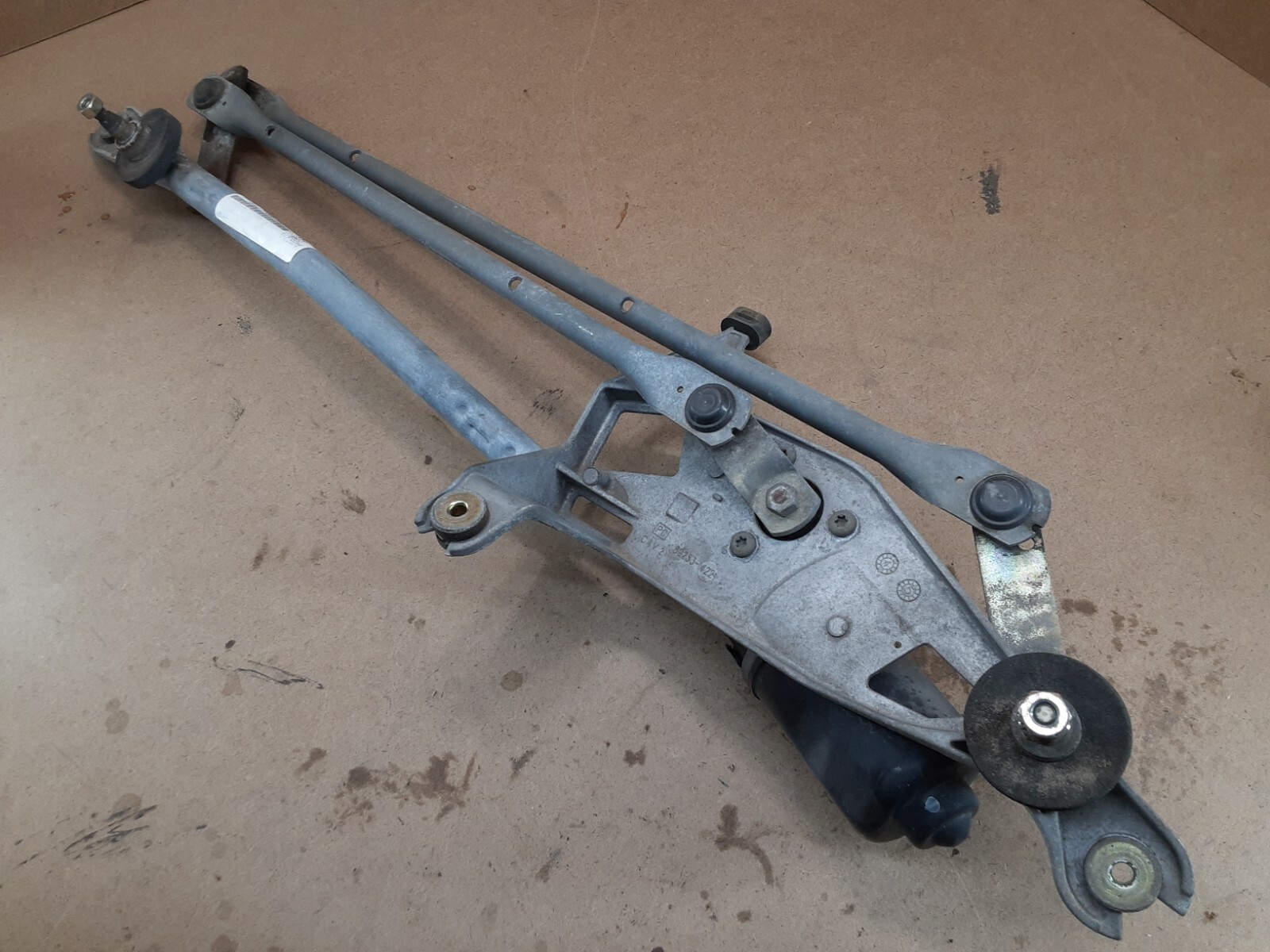
A complete redesign after the Alpha phase
Trico assumed the General Motors (GM) GMX367 and GMX365 W-body wiper programs from the previous supplier after the Alpha prototype phase had already been completed. The previous supplier did not provide usable Alpha development results, and critical findings from the earlier development phase were not available to the Trico team.
Trico received only a small number of nonfunctional prototype systems, so the previous design could not be operated or meaningfully evaluated. The hardware served only as a physical packaging reference. Under severely compressed timing, Trico had to develop a complete production design with newly engineered components, interfaces, drawings, and system architecture, while still working within the vehicle hard points, available package, and required wipe pattern.
Complete front wiper and washer system responsibility
I was the responsible Tier-1 engineer for the complete front windshield-wiper and washer system. Trico's internal motor-engineering team owned the motor design itself, while I retained system responsibility for vehicle packaging, mounting structure, linkage, pivots, arms, blades, washer integration, wipe-pattern performance, drawings, releases, validation planning, and launch execution.
System scope
- Vehicle package and wipe-pattern development.
- Structural mounting architecture.
- Linkage and pivot integration.
- Wiper-arm and blade assemblies.
- Washer bottle assembly, hose, and nozzle integration.
- Motor integration.
- Production drawings, tolerances, releases, and bill of material.
- Validation planning and launch execution.
Mounting compliance under high-speed loading
The first Trico Beta prototype performed acceptably at low speed, but high-speed testing produced severe dynamic wipe-pattern growth at both reversals. The blade contacted the cowl at in-wipe and the A-pillar at out-wipe.
The Beta mounting architecture used two outboard hard mounts and a center bayonet retained in a rubber grommet. Under high-speed dynamic loading, compliance in that arrangement allowed enough module movement to create the unacceptable pattern growth and body contact.
A third center hard mount delivered under extreme timing
I developed a countermeasure that retained the center bayonet while adding a third hard mount at the center of the module. GM already had an available body attachment point, so the solution required no new body-side provision.
The change required a new mounting leg on the combined center motor and bayonet casting. I created the concept, directed the computer-aided design work, released the revised casting, and launched replacement prototype casting tooling within days.
Gamma followed Beta by approximately four to six weeks, and the prototype plan had originally assumed reuse of the Beta tooling. There was no practical rework or interim-hardware path, so the corrected casting had to be available for the scheduled Gamma build. The new parts arrived on time and fully eliminated the cowl and A-pillar contact without introducing new noise, vibration, assembly, tolerance, or durability problems.
Corrected design passed every requirement
The corrected Gamma design passed all GM and internal Trico validation requirements without another major redesign. The systems launched on schedule at more than 200,000 vehicles annually.


Promotion with continuing technical ownership
I began the program as Trico's supplier-integrated DRE at the General Motors Technical Center. In October 2002, I was promoted to Engineering Supervisor and returned to the Trico Technical Center. I continued owning the GMX367 and GMX365 systems and supported them through production launch while taking on supervisory responsibility.
Recovered timing and launched on schedule
- Corrected hardware delivered in time for the Gamma build.
- High-speed cowl and A-pillar contact fully eliminated.
- No collateral noise, vibration, assembly, tolerance, or durability issues.
- Passed General Motors and Trico validation without further major redesign.
- Production launched on schedule.
- More than 200,000 vehicles annually.
Recovering timing after losing the Alpha development phase
Recovering a complete-system redesign under compressed timing after losing the Alpha development phase, then resolving a severe high-speed dynamic wipe-pattern-growth issue in time for Gamma prototypes.