Oldsmobile Aurora pneumatic lumbar integration.
Seat-system integration and release for a centralized pneumatic lumbar architecture serving both front seats on the 1996 model-year Oldsmobile Aurora.
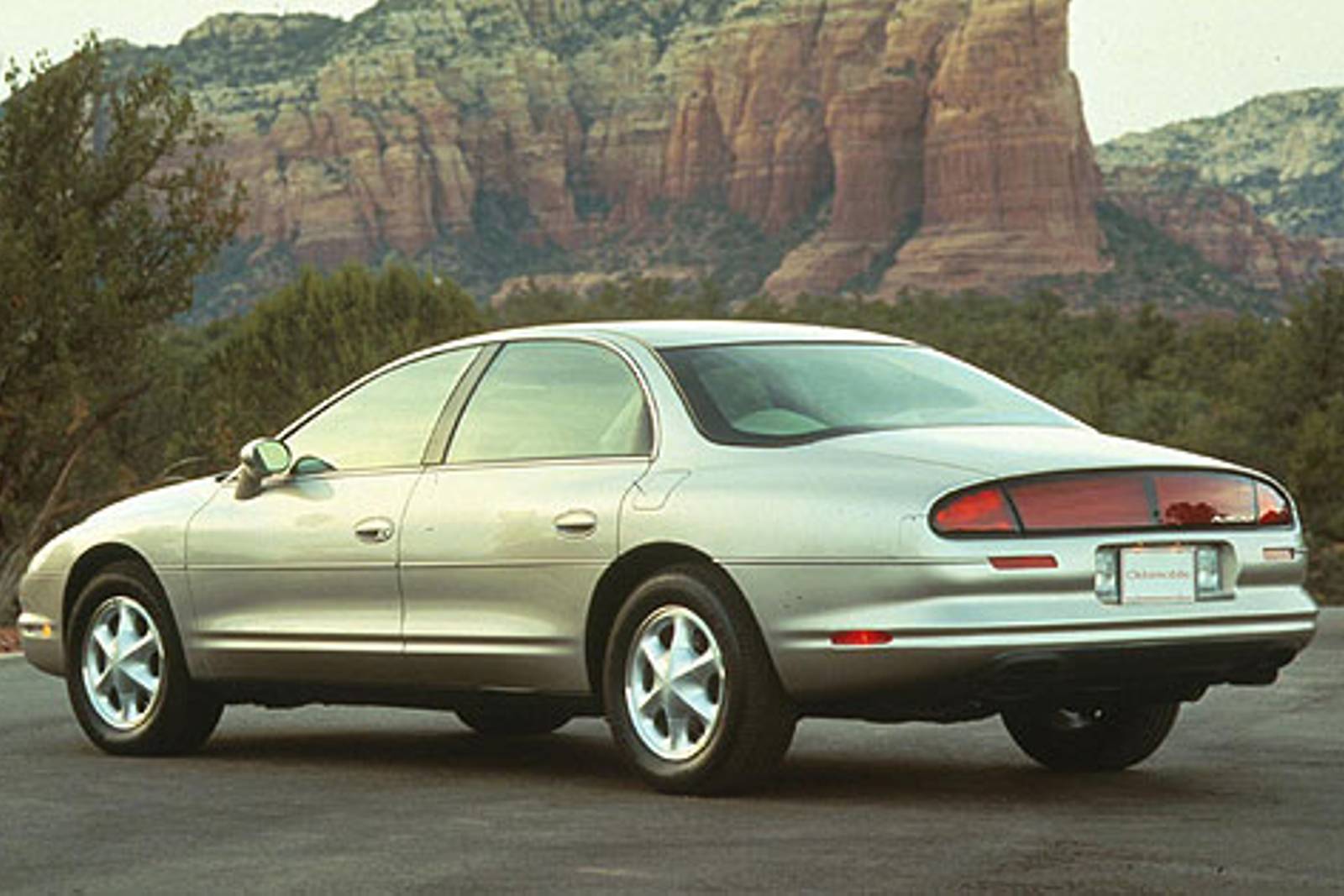
Business and engineering target
The existing architecture used an individual pump and valve assembly in each seatback. The revised design used one pump and four-valve module mounted under the driver seat to supply both the driver and passenger lumbar bladders.
- Reduce cost and part count.
- Eliminate the separate passenger-seat pump.
- Simplify wiring and pneumatic routing.
- Improve reliability.
Seat-system integration and release
The pump module was a General Motors (GM)-directed supplier component. GM retained responsibility for pump-module development and supplier quality. Lear supported seat integration and launch-impact assessment.
- Driver-seat cushion frame with new bracket assembly.
- New pump-module installation on the driver-seat frame.
- New passenger seatback foam.
- New passenger seatback bladder with revised hose routing.
- New driver and passenger seat-track assemblies for revised wiring and switch integration.
- Cross-car hose assembly, prototype builds, validation support, PPAP, and launch readiness.
From interfaces to launch readiness
- Created an action plan identifying affected components, owners, releases, and open interfaces.
- Developed the mounting-bracket concept for the driver-seat cushion frame.
- Reviewed bracket location, welding, and manufacturability with the seat-frame plant, and supported Production Part Approval Process (PPAP).
- Coordinated seat-track wiring and switch integration.
- Evaluated harness and hose routing through full fore-and-aft seat travel.
- Revised seatback foam after removal of the previous seatback pumps.
- Coordinated the cross-car hose route beneath the molded carpet.
- Built a representative office development setup using prototype seats, tracks, switches, hoses, and lumbar components.
- Reviewed prototype systems in representative vehicles at Cadillac Luxury Car Division (CLCD).
Functional, routing, durability, and launch checks
- Functional testing.
- Pressure-decay and leak-rate testing.
- Inflation and exhaust performance.
- Cycle and durability testing.
- Hose retention and pull-off testing.
- Temperature testing.
- Seat-track cycling.
- Abrasion protection and kink-radius evaluation.
- Full-seat-travel clearance.
- Noise evaluation.
Pump-Module Supplier Launch Support
At launch, the General Motors (GM)-directed module supplier struggled to achieve production rate, and completed modules had air-leak failures. Primary causes included plastic molding quality, mold design and processing issues, flash on sealing surfaces, warpage, surface defects, and incomplete sealing by the rubber valve-closure features.
Supplier countermeasures included:
- Reworking salvageable modules
- Scrapping non-reworkable modules
- Adjusting mold tooling
- Correcting molding process parameters
- Eliminating flash and warpage that interfered with sealing