General Motors Theta vehicle-family wiper and washer system development.
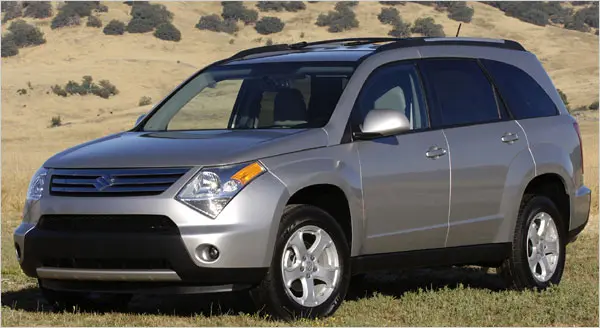
GMT191 Chevrolet Equinox, GMT192 Pontiac Torrent, and GMT193 Suzuki XL7 developed as one concurrent vehicle-family program with a common front architecture and staggered launches.
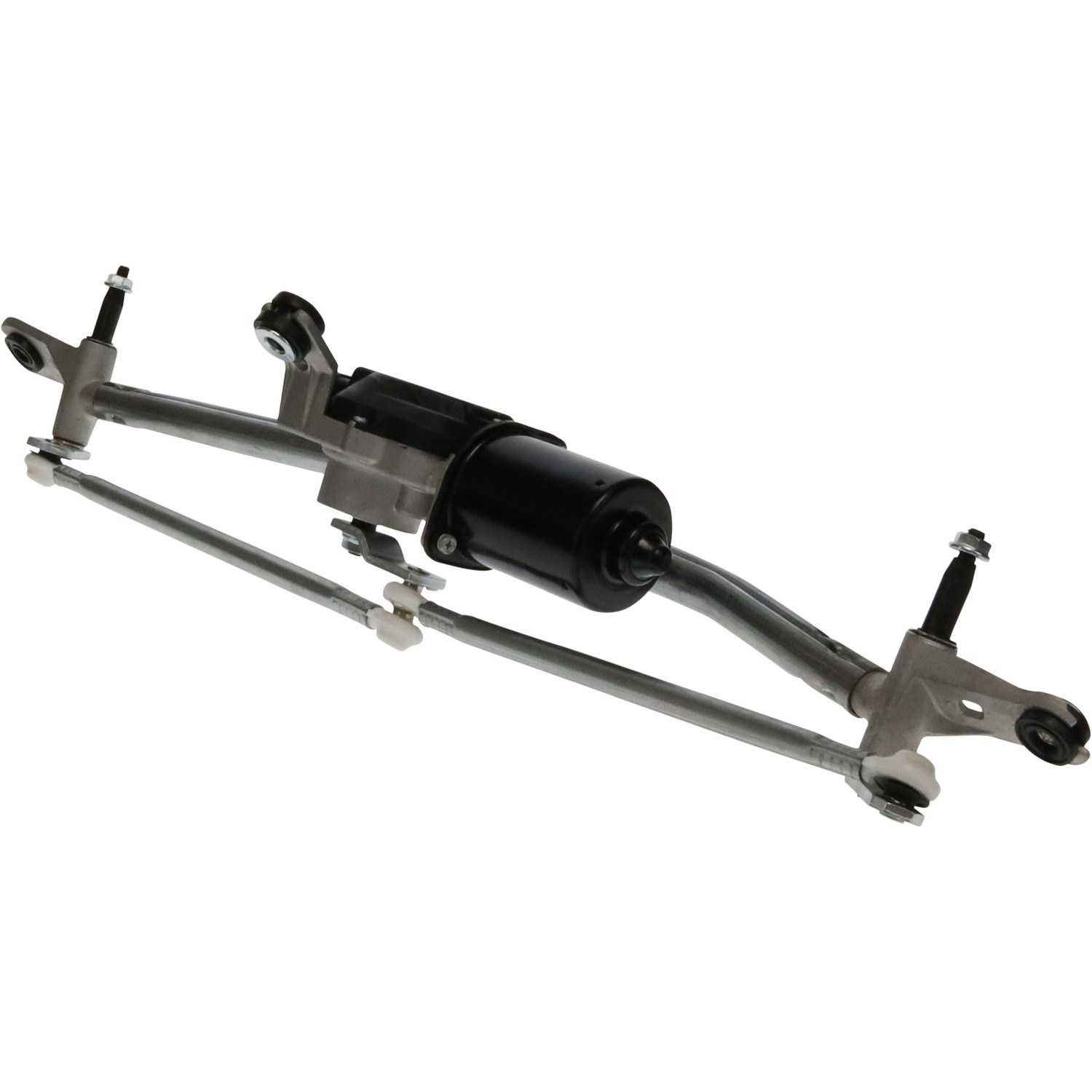
One concurrent family program with three staggered launches
Trico was awarded the front and rear wiper and washer systems for the General Motors (GM) GMT191 Chevrolet Equinox, GMT192 Pontiac Torrent, and GMT193 Suzuki XL7 as one concurrent vehicle-family program. GMT191 served as the lead application, with staggered launches following across the derivative vehicles.
The three vehicles shared common front sheet metal and windshield geometry, which enabled a fully common front wiper module, arm, and blade architecture across all three applications. The rear systems required more variation because the liftgates, rear glass, hose routing, and rear washer-nozzle locations differed by application.
I retained accountable technical responsibility for the program after my October 2002 promotion to Engineering Supervisor and continued that leadership after becoming Engineering Manager in September 2004. I remained directly involved in major technical decisions, customer interfaces, and issue resolution while an engineer working under my supervision handled much of the post-award day-to-day engineering workload.
Technical direction through a supervised engineering team
I directed the concept development, kinematic studies, and customer presentations during the quotation, award, and architecture-definition phase. After award, another engineer working under my supervision managed the day-to-day engineering tasks, while I remained responsible for overcoming technical hurdles, guiding the development, and retaining overall technical ownership.
The engineers and designers working under my supervision executed the full system engineering, Design Verification Plan and Report (DVP&R), drawing release, analysis, packaging, and customer design-approval work. Supplied washer bottles, hose assemblies, and rear nozzles were engineered under Tier-1 direction and integrated into the complete system. Trico's internal motor group owned the front motor design, while I retained system-level responsibility for the front and rear wiper and washer architecture.
Shared where the vehicle geometry supported it
Because the three vehicles shared the same front sheet metal and windshield, the front wiper system was intentionally commonized across the family. The front wiper module, arms, and blades were fully common across all three applications, creating a robust shared architecture for the lead and derivative vehicles.
The common front architecture allowed the engineering team to focus variation where it was actually required: at the rear of the vehicles, where different liftgates, rear glass, and washer-routing needs drove application-specific solutions.
Common front content
- Front wiper module.
- Front wiper arms.
- Front wiper blades.
Application-specific packaging around two rear arrangements
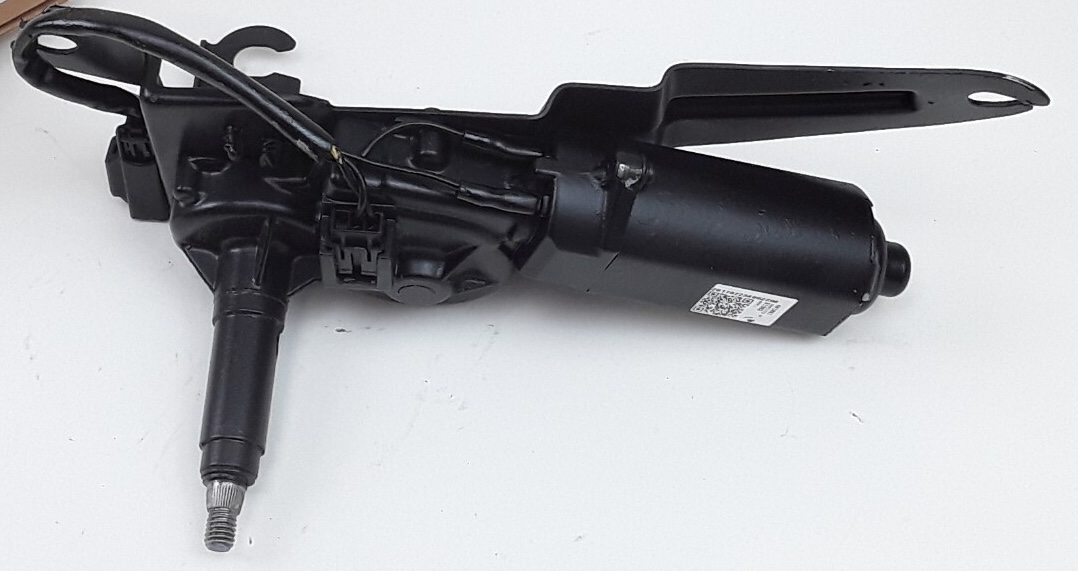
The rear systems were not identical across the full vehicle family. The Chevrolet Equinox and Pontiac Torrent shared one rear-wiper-module architecture, while the later Suzuki XL7 used a second rear arrangement that incorporated the design corrections developed on the first two vehicles.
Rear variation was driven by the liftgates, rear glass, hose routing, and rear washer-nozzle locations. The rear motor technology shared common internal motor fundamentals, but the rear-system packaging and gearbox/module arrangements were not fully common across all three applications.
Water ingress exposed an unstable shaft-bore interface
The most significant technical challenge emerged on the shared rear module used on the GMT191 Chevrolet Equinox and GMT192 Pontiac Torrent. During durability testing on a test buck, with standard cycling and water spray used to simulate precipitation, water intrusion revealed a sealing problem at the rear-module output-shaft interface.
The supplier's plastic gearbox housing did not maintain a true shaft bore. In an attempt to recover the part, the supplier re-bored the housing, but the resulting bore became oval and could not be sealed effectively. That made the water-ingress issue a dimensional-stability and sealing problem, not simply a gasket or assembly defect.
I escalated the supplier's capability and timing risk, required a formal corrective-action plan, increased the cadence of technical reviews, directed the dimensional and sealing analysis, required representative production-intent prototypes, coordinated communication with GM, established contingency planning, and assigned additional Trico engineering support until the supplier demonstrated a credible recovery path.
Overmolded metal sleeve stabilized the sealing geometry
The final corrective action retained the plastic housing concept but added an overmolded metal sleeve at the shaft bore. The sleeve stabilized the critical sealing geometry and prevented the bore from deflecting as the plastic cooled after molding. That correction solved the water-ingress problem without abandoning the plastic-housing strategy.
The corrected design completed recovery in time to support launch, and the later GMT193 Suzuki XL7 rear system adopted the same design changes as it entered the family.
Three applications, one managed engineering program
- Chevrolet Equinox: February 23, 2004.
- Pontiac Torrent: June 2005.
- Suzuki XL7: Fall 2006.
The launches were staggered, but the engineering work was managed as one concurrent family program, with GMT191 serving as the lead application and later vehicles benefiting from the common architecture and recovered rear-module design. All three applications launched on schedule.
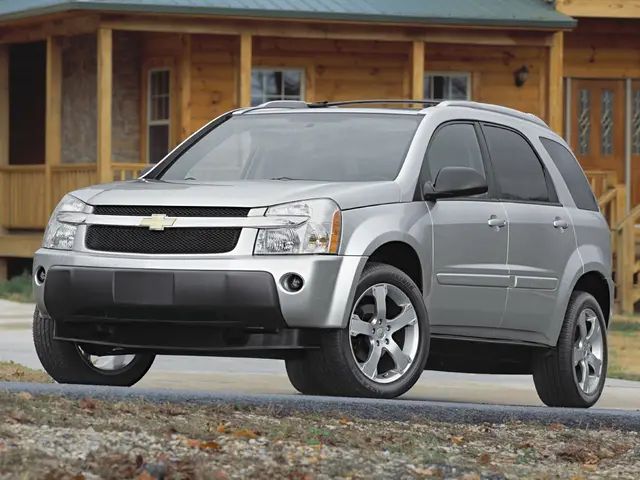
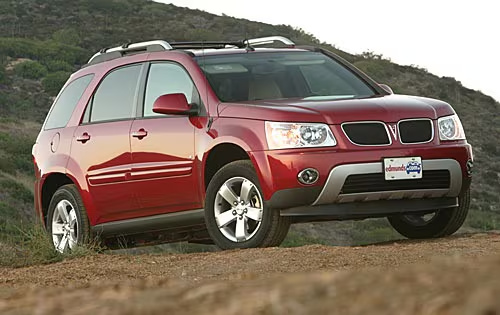
Commonization, recovery, and three on-schedule launches
- Front wiper module, arms, and blades fully common across all three vehicles.
- Shared Equinox/Torrent rear module recovered from a critical durability failure.
- Rear-design corrections were carried into the later XL7 application.
- Technical responsibility maintained through role progression from Engineering Supervisor to Engineering Manager.
- All three vehicle launches completed on schedule.
- Combined planned annual production approached 245,000 vehicles.
Common architecture under staggered launch timing
Developing a common front architecture for a three-vehicle family while recovering a critical supplier durability failure on the shared rear module without disrupting staggered launch timing.